
Events
Last updated: October 23 2026
October
Swansea Science Festival 30-31 October 2026
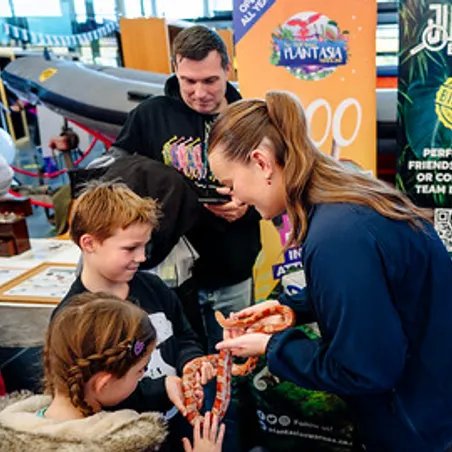 Wales’s largest science festival is back for its 10th year!
Swansea Science Festival is back, and you’re invited to celebrate a decade of discovery, creativity and curiosity.
Designed for visitors of all ages, the festival returns with hands-on activities, inspiring talks and groundbreaking research, bringing science to life in exciting and unexpected ways.
Register your interest now to be the first to hear about events, ticket releases and programme highlights.
November
Green Careers Week Monday, 2 November to Friday, 6 November 2026
 Green Careers Week 2026 is a nationwide campaign across the UK running from 2 November to 6 November 2026 to help young people discover jobs focused on sustainability, clean energy, and environmental protection. Organized by National Careers Week alongside green industry partners, the event provides schools, students, and parents with free online resources, interactive classroom activities, and real-world career insights. Its main goal is to showcase how different industries are changing to meet net-zero targets and to inspire the next generation to pursue career paths that actively combat climate change and protect the planet. More informaiton here
Sustainable Futures: Your Green Careers Quest - online Thursday 5 November 2026, 10:00 and 13:30,
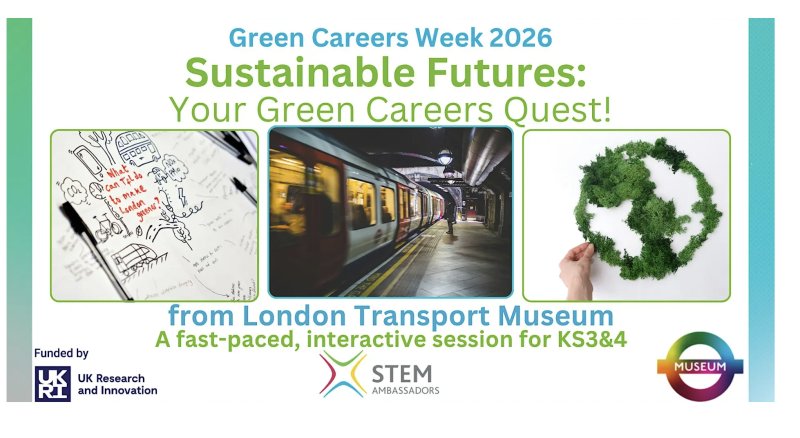 Join STEM Learning and London Transport Museum for a free interactive webinar exploring green careers in transport, engineering and sustainability.
Students will meet STEM Ambassadors working in sustainability-focused roles and take part in a virtual career quest, discovering how science, technology, engineering and creative thinking are helping to transform the future of transport.
It's a useful opportunity to introduce real-world careers while connecting classroom learning to the challenges facing the transport sector. More information here
National Enginnering Day
 National Engineering Day, led by the Royal Academy of Engineering, aims to make engineering in the UK more visible. The day will showcase the breadth of the sector, focussing on how engineers improve daily life and shape the world around us.
This year’s campaign celebrates the Royal Academy of Engineering’s 50th anniversary by looking 50 years into the future. Through job ads for roles that don’t exist yet, it invites students to imagine careers that will build life on the Moon, Mars and beyond!
Every year we proudly support National Engineering Day and raise awareness of the achievements engineers make every day. It’s the perfect opportunity to get your class excited about engineering before Tomorrow’s Engineers Week begins. More information here
Safeguarding Refresher for Ambassadors 3 November 12pm
 Come to this session to refresh and develop your knowledge and understanding of safeguarding. This session is for STEM Ambassadors to refresh and develop their knowledge and understanding of safeguarding. We will discuss what safeguarding is, professional boundaries, managing disclosures, reporting concerns, and Health & Safety. There will be the opportunity to ask questions too. More information here
This is Me - workshop for Ambassadors November 4th 10.30am
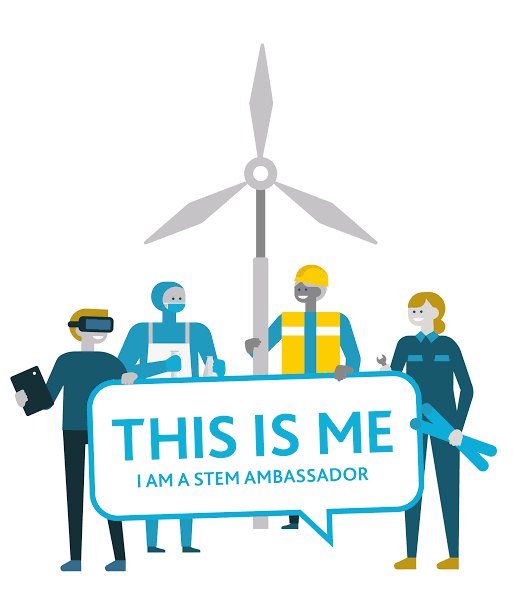 This is Me is a short, punchy presentation that STEM Ambassadors can develop to support their volunteering.This session will discuss what a This is Me presentation is, go through the process for developing your own and show you how to use it to streamline your volunteering and have a greater impact on young people.There will be the opportunity to ask questions too. This is the first in a 2-part training series:
Part 1: Attend a 'This is Me' training session and create your slides Part 2: Attend a 'This is Me' discussion session to get feedback on your presentation. More information and booking here
Presentation Skills - Delivering a Presentation 6th November 2.30pm
 Find out how to use different presenting techniques when volunteering in-person. This is a training session for STEM Ambassadors about developing their presentation skills. It focuses on techniques that can be used when volunteering in-person. We will discuss these techniques and practice some too. There will be the opportunity to ask questions as well. More information and booking here
National Chemistry Week 2026, Royal Society of Chemistry (RSC), 9 to 15 November 2026.
 Theme: "Chemistry Taking Action" – focusing on how chemical sciences and professionals make a difference to people, communities, and the world.Showcasing year-round public engagement, community outreach, and the impact of everyday chemistry:
- Share outreach activities and stories on social media using #ChemistryWeek.
- Utilize free teaching resources, experiment guides, and school support tools via the RSC Outreach Hub or STEM Learning
- More information here
Tomorrow's Engineers Week 2026 9 to 13 November.
 Inspire your students with exciting engineering and technology careers during Tomorrow’s Engineers Week, an engaging annual event in school calendars. The week gives students an opportunity to spark ideas and consider how they could tackle local and global challenges in their future careers.
More information about events here
IOP Wales Physics Forum 12 November 2026
 Join us at our IOP Wales Physics Forum An online physics forum connecting educators with peers, academics, and STEM Ambassadors for ongoing professional development.All are welcome e.g. Teachers (physics specialists and non-specialists). Booking is essential and a teams link will be sent prior to the event. To book go to here.
Computational Thinking across the Primary Curriculum. 11th November 12pm-3pm and 18 November 12pm - 3pm
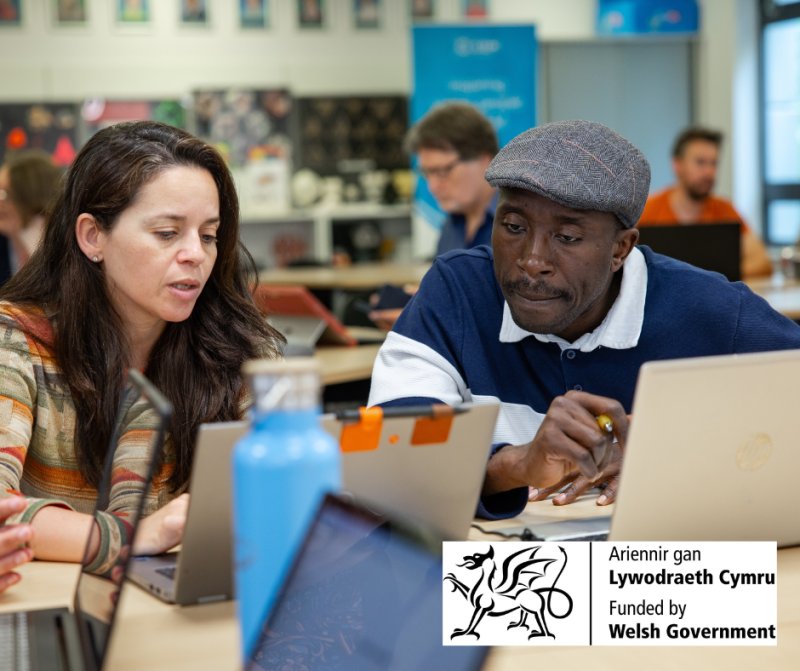 Computational thinking is a core skill within the Digital Competence Framework (DCF) and is increasingly recognised as essential for problem‑solving across all Areas of Learning and Experience (AoLEs).
This course supports educators to confidently understand, teach, and embed the four pillars of computational thinking (abstraction, decomposition, algorithms, and pattern recognition) through practical approaches. By strengthening practitioners’ knowledge and confidence, the course helps ensure learners can apply computational thinking purposefully and creatively across the curriculum. For more information go here
National Tree Week. 21-28 November
 National Tree Week is the UK’s largest annual celebration of trees, traditionally marking the start of the winter tree planting season. Organised by The Tree Council, this nationwide initiative brings together conservation charities, volunteer groups, schools, and communities to plant thousands of trees and hedgerows. The campaign originally grew out of the successful "Plant a Tree in '73" movement, which was launched to replenish Britain's landscapes following the devastation of Dutch Elm Disease. Held at the end of November when young saplings are dormant and experience the least stress during transplantation, the event highlights the vital ecological role trees play—from absorbing carbon and tackling climate change to supporting biodiversity and enhancing human mental wellbeing. More information here
Data-driven projects across the primary curriculum 23 November 12pm-4pm and 24 November 1pm -4pm
 Many primary practitioners are increasingly expected to embed data, digital competence and computational thinking across the Areas of Learning and Experience (AoLEs). However, confidence with using physical computing devices such as the Micro:bit for real data collection varies widely. This course addresses the need for accessible, practical training that enables teachers to gather, analyse and apply data meaningfully across the curriculum, supporting progression in PS1–3 and improving digital skill development. For more information go here
Protecting the Planet Day (POP26) 19 November
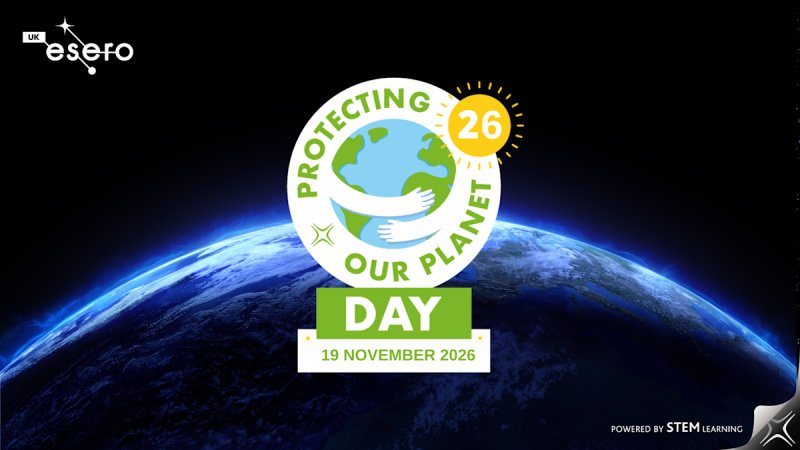 The inspiring, free STEM event, live-streamed for schools, presented by ESERO-UK at STEM Learning, in collaboration with the European Space Agency and the UK Space Agency
Join thousands of schools nationwide for a programme of live-streamed sessions with inspiring experts and pioneers working to protect our planet, career panels full of hidden heroes, and interactive primary school sessions.Discover how space agencies, satellites, scientists, researchers and conservationists protect our planet - how they monitor, model, predict and provide solutions to tackle climate change and protect biodiversity here on Earth and from space. Be inspired by panellists in the afternoon career sessions, hear about their backstories in studying STEM subjects to careers working to protect the planet. More information here.
AI across the Primary Curriculum 26th November 1pm-4pm and 27th November 1pm-4pm
 This course explores how Artificial Intelligence (AI) can support the Digital Competence Framework (DCF) and Curriculum for Wales across primary Areas of Learning (AoLEs).
Participants will gain hands-on experience with AI tools, learn how to plan for appropriate progression linked to DCF statements, and embed AI in ways that develop the four purposes - helping learners become ambitious and capable (through problem-solving and creativity), enterprising and creative (by using AI for innovation), ethical and informed (through responsible AI use), and healthy and confident (by promoting digital wellbeing and resilience).
This course includes practical examples reflection and discussion opportunities and action plan creation for effective AI integration in school. For more information and booking go here
December
AI across the Secondary Curriculum in Wales 3rd December 1pm-4pm. and 4th December 1pm-4pm
 This course introduces ways that AI can be embedded into the Curriculum for Wales in the secondary phase. Addressing aspects of the Digital Competence Framework, you will explore effective use of AI in and out of the classroom in ways that are relevant to the DCF. You will be clear on the implications for students, what constitutes AI and its safe implementation.
Through practical activities, resources and discussion, you will develop confidence in making informed choices for AI tools in your professional practice, culmination in the completion of an action plan for embedding AI in your school. for more information and booking go here
AI across the Primary Curriculum 7th December 1pm-4pm and 8th December 1pm-4pm
This course explores how Artificial Intelligence (AI) can support the Digital Competence Framework (DCF) and Curriculum for Wales across primary Areas of Learning (AoLEs).
Participants will gain hands-on experience with AI tools, learn how to plan for appropriate progression linked to DCF statements, and embed AI in ways that develop the four purposes - helping learners become ambitious and capable (through problem-solving and creativity), enterprising and creative (by using AI for innovation), ethical and informed (through responsible AI use), and healthy and confident (by promoting digital wellbeing and resilience).
This course includes practical examples reflection and discussion opportunities and action plan creation for effective AI integration in school. For more information and booking go here
AI for Educators Thursday 7th December 1pm-4pm and 8th December 1pm-4pm
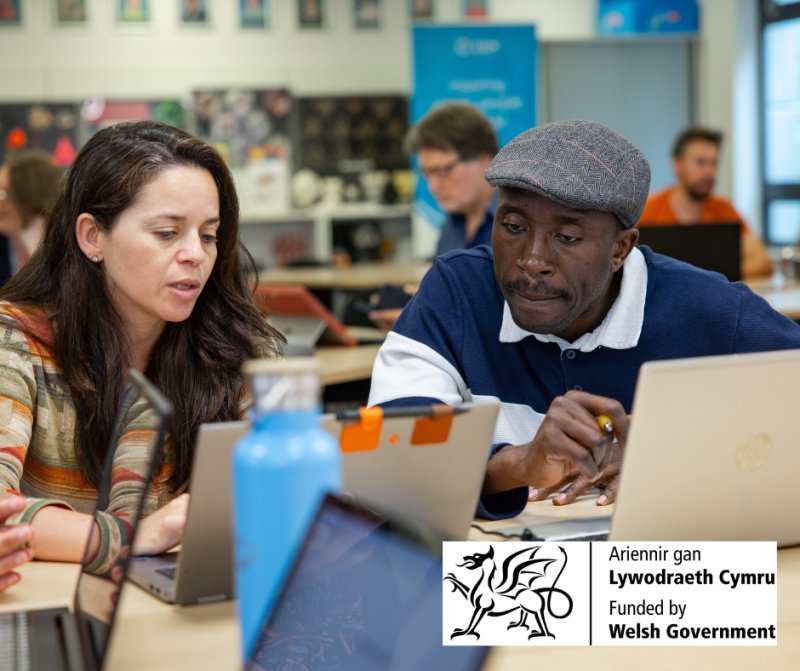 Schools in Wales are encountering rapid growth in the availability and influence of artificial intelligence, yet teacher understanding and confidence remain uneven. To ensure AI is used safely, ethically, and in ways that enhance learning, teachers require clear subject knowledge, strong critical evaluation skills, and alignment with Welsh Government policy. This course supports consistent, informed practice across Wales, addressing safeguarding, learner wellbeing, and Estyn priorities while strengthening professional judgement in an evolving digital landscape. For more information go here
IOP Wales Physics Forum 10 December 2026
 Join us at our IOP Wales Physics Forum An online physics forum connecting educators with peers, academics, and STEM Ambassadors for ongoing professional development.All are welcome e.g. Teachers (physics specialists and non-specialists). Booking is essential and a teams link will be sent prior to the event. To book go to here.
January
RSPB Big Schools' Birdwatch - 4 January to 22 February 2027
 The RSPB Big Schools' Birdwatch 2027 is an excellent, free citizen science project running from 4 January to 22 February 2027. Open to all educational levels from Early Years to Secondary, the initiative asks classes to spend just one hour tracking the maximum number of each bird species seen simultaneously in their school grounds and submitting the results online. By registering on the RSPB Big Schools' Birdwatch Platform, teachers unlock a wealth of free digital resources, including age-appropriate spotter sheets, curriculum-linked lesson plans across science and maths, and historical graphs to let pupils compare their playground data with national trends. Beyond providing vital conservation data to help scientists monitor UK bird populations, this hands-on outdoor activity fosters student well-being, builds team collaboration, and can even count directly toward earning an RSPB Wild Challenge Award for your school More details here
AI for Educators Thursday 13 January 1pm-4pm and 14 January 1pm-4pm
Schools in Wales are encountering rapid growth in the availability and influence of artificial intelligence, yet teacher understanding and confidence remain uneven. To ensure AI is used safely, ethically, and in ways that enhance learning, teachers require clear subject knowledge, strong critical evaluation skills, and alignment with Welsh Government policy. This course supports consistent, informed practice across Wales, addressing safeguarding, learner wellbeing, and Estyn priorities while strengthening professional judgement in an evolving digital landscape. For more information go here
AI across the Secondary Curriculum in Wales 15 January 9am - 4pm.
This course introduces ways that AI can be embedded into the Curriculum for Wales in the secondary phase. Addressing aspects of the Digital Competence Framework, you will explore effective use of AI in and out of the classroom in ways that are relevant to the DCF. You will be clear on the implications for students, what constitutes AI and its safe implementation.
Through practical activities, resources and discussion, you will develop confidence in making informed choices for AI tools in your professional practice, culmination in the completion of an action plan for embedding AI in your school. for more information and booking go here
Data-driven projects across the curriculum for secondary teachers 21 January 9am-12pm and 22 January 9am-12pm
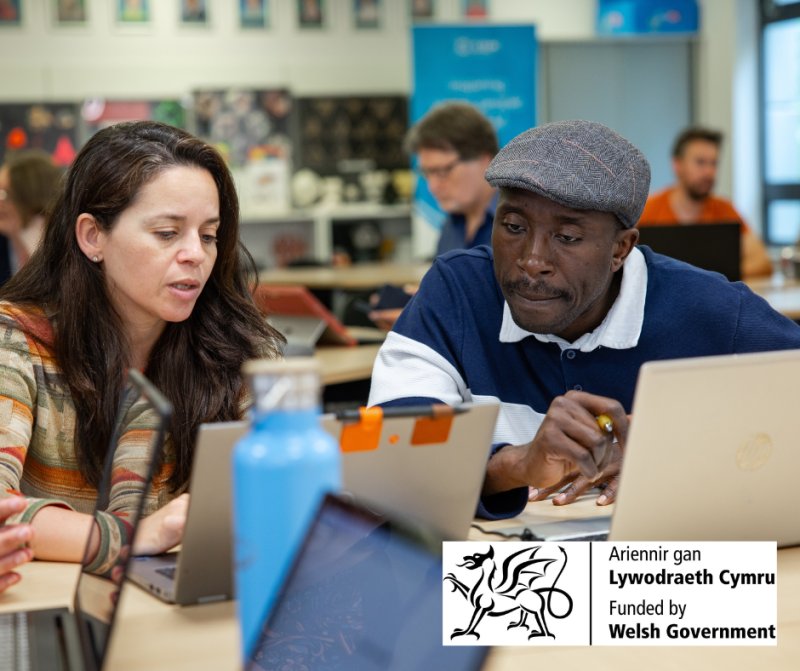 This course gives teachers practical experience in using Micro:bits as data loggers to create meaningful, data‑driven learning across the curriculum. Through hands‑on activities, participants learn how to collect, analyse, and present real‑world data while developing confidence in basic programming, physical computing, and computational thinking. The course also supports teachers in planning purposeful learning sequences, embedding data security and long‑term digital thinking, and adapting activities to suit any subject area. For more infomation and to book go here.
Data-driven projects across the primary curriculum 27 January 12pm-4pm and 8 January 1pm -4pm
Many primary practitioners are increasingly expected to embed data, digital competence and computational thinking across the Areas of Learning and Experience (AoLEs). However, confidence with using physical computing devices such as the Micro:bit for real data collection varies widely. This course addresses the need for accessible, practical training that enables teachers to gather, analyse and apply data meaningfully across the curriculum, supporting progression in PS1–3 and improving digital skill development. For more information go here
Teaching Digital Together: Progression & Pedagogy : 14 January 4pm-4.45pm
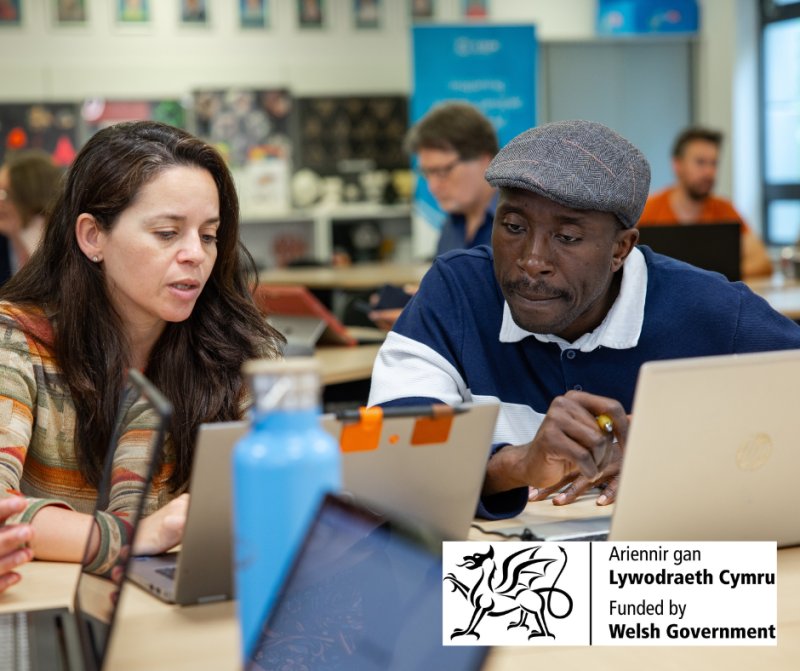 Teaching Digital Together brings together practitioners across Wales to support the development of digital skills and computational thinking within the Curriculum for Wales. Delivered through a series of short, half‑termly online sessions, the network creates a supportive space to share practice, explore practical classroom approaches, and reflect on teaching over time. A reflective session focused on how digital learning develops over time, helping practitioners move beyond repetition and strengthen progression in computational thinking. Each session is designed to be timely and relevant to classroom practice, supporting practitioners to apply and reflect on digital learning in meaningful ways, with clear links to the wider Teaching Digital with Confidence programme. for more information go here
February
AI across the Secondary Curriculum in Wales February 3rd - 25 February 4pm - 5.30pm
This course introduces ways that AI can be embedded into the Curriculum for Wales in the secondary phase. Addressing aspects of the Digital Competence Framework, you will explore effective use of AI in and out of the classroom in ways that are relevant to the DCF. You will be clear on the implications for students, what constitutes AI and its safe implementation.
Through practical activities, resources and discussion, you will develop confidence in making informed choices for AI tools in your professional practice, culmination in the completion of an action plan for embedding AI in your school. for more information and booking go here
Tomorrow's Engineers Live 2027
 The annual one day conference returns on 9 February 2027 in London. We'll have more info soon, including how you can get involved! And don't forget, Code members get discounted tickets. For more information go to Tomorrow's Engineers Live
Data-driven projects across the curriculum for secondary teachers February 11th 9am-12pm and February 12th 9am-12pm
This course gives teachers practical experience in using Micro:bits as data loggers to create meaningful, data‑driven learning across the curriculum. Through hands‑on activities, participants learn how to collect, analyse, and present real‑world data while developing confidence in basic programming, physical computing, and computational thinking. The course also supports teachers in planning purposeful learning sequences, embedding data security and long‑term digital thinking, and adapting activities to suit any subject area. For more infomation and to book go here.
AI across the Secondary Curriculum in Wales February 15th 9am-12pm and February 16th 9am-12pm
This course introduces ways that AI can be embedded into the Curriculum for Wales in the secondary phase. Addressing aspects of the Digital Competence Framework, you will explore effective use of AI in and out of the classroom in ways that are relevant to the DCF. You will be clear on the implications for students, what constitutes AI and its safe implementation.
Through practical activities, resources and discussion, you will develop confidence in making informed choices for AI tools in your professional practice, culmination in the completion of an action plan for embedding AI in your school. for more information and booking go here
AI across the Secondary Curriculum in Wales February 23th 1pm-4pm and February 24th 1pm-4pm
This course introduces ways that AI can be embedded into the Curriculum for Wales in the secondary phase. Addressing aspects of the Digital Competence Framework, you will explore effective use of AI in and out of the classroom in ways that are relevant to the DCF. You will be clear on the implications for students, what constitutes AI and its safe implementation.
Through practical activities, resources and discussion, you will develop confidence in making informed choices for AI tools in your professional practice, culmination in the completion of an action plan for embedding AI in your school. for more information and booking go here
March
AI for Educators Thursday 1 March 1pm-4pm and 2 March 1pm-4pm
Schools in Wales are encountering rapid growth in the availability and influence of artificial intelligence, yet teacher understanding and confidence remain uneven. To ensure AI is used safely, ethically, and in ways that enhance learning, teachers require clear subject knowledge, strong critical evaluation skills, and alignment with Welsh Government policy. This course supports consistent, informed practice across Wales, addressing safeguarding, learner wellbeing, and Estyn priorities while strengthening professional judgement in an evolving digital landscape. For more information go here
Data-driven projects across the primary curriculum 4 March 12pm-4pm and 5 March 1pm -4pm
Many primary practitioners are increasingly expected to embed data, digital competence and computational thinking across the Areas of Learning and Experience (AoLEs). However, confidence with using physical computing devices such as the Micro:bit for real data collection varies widely. This course addresses the need for accessible, practical training that enables teachers to gather, analyse and apply data meaningfully across the curriculum, supporting progression in PS1–3 and improving digital skill development. For more information go here
AI for Educators Thursday 8 March 9am-12pm and 9 March 9am-12pm
Schools in Wales are encountering rapid growth in the availability and influence of artificial intelligence, yet teacher understanding and confidence remain uneven. To ensure AI is used safely, ethically, and in ways that enhance learning, teachers require clear subject knowledge, strong critical evaluation skills, and alignment with Welsh Government policy. This course supports consistent, informed practice across Wales, addressing safeguarding, learner wellbeing, and Estyn priorities while strengthening professional judgement in an evolving digital landscape. For more information go here
British Science Week, run by the British Science Association and funded by UK Research and Innovation (UKRI), is a ten-day celebration of science, technology, engineering and maths, featuring entertaining and engaging events and activities across the UK for people of all ages.
British Science Week 5-14 March
 British Science Week provides a platform to stimulate and support teachers, STEM professionals, science communicators and the general public to produce and participate in STEM events and activities.
Anyone can organise an event or activity, and the British Science Association helps organisers plan by providing free activity and support resources. We welcome and support any type of organiser, from schools to community groups, from parents to large organisations. The resulting programme of events is a hugely varied and eclectic mix.
Take part in British Science Week by organising an event… for more information click here
AI across the Primary Curriculum 11 March 1pm-4pm and 12 March 1pm-4pm
This course explores how Artificial Intelligence (AI) can support the Digital Competence Framework (DCF) and Curriculum for Wales across primary Areas of Learning (AoLEs).
Participants will gain hands-on experience with AI tools, learn how to plan for appropriate progression linked to DCF statements, and embed AI in ways that develop the four purposes - helping learners become ambitious and capable (through problem-solving and creativity), enterprising and creative (by using AI for innovation), ethical and informed (through responsible AI use), and healthy and confident (by promoting digital wellbeing and resilience).
This course includes practical examples reflection and discussion opportunities and action plan creation for effective AI integration in school. For more information and booking go here
Teaching Digital Together:Welsh Language, Culture & Digital Creativity: 14 March 4pm-4.45pm
Teaching Digital Together brings together practitioners across Wales to support the development of digital skills and computational thinking within the Curriculum for Wales. Delivered through a series of short, half‑termly online sessions, the network creates a supportive space to share practice, explore practical classroom approaches, and reflect on teaching over time. A culturally rich session exploring how digital tools and programming can support authentic, bilingual learning experiences rooted in Welsh language and identity. Each session is designed to be timely and relevant to classroom practice, supporting practitioners to apply and reflect on digital learning in meaningful ways, with clear links to the wider Teaching Digital with Confidence programme. for more information go here
AI across the Secondary Curriculum in Wales 15 March 1pm-4pm and 16 March 1pm -4pm
This course introduces ways that AI can be embedded into the Curriculum for Wales in the secondary phase. Addressing aspects of the Digital Competence Framework, you will explore effective use of AI in and out of the classroom in ways that are relevant to the DCF. You will be clear on the implications for students, what constitutes AI and its safe implementation.
Through practical activities, resources and discussion, you will develop confidence in making informed choices for AI tools in your professional practice, culmination in the completion of an action plan for embedding AI in your school. for more information and booking go here
Computational Thinking across the Primary Curriculum. 15 March 9am-12pm and 16 March 9am-12pm
Computational thinking is a core skill within the Digital Competence Framework (DCF) and is increasingly recognised as essential for problem‑solving across all Areas of Learning and Experience (AoLEs).
This course supports educators to confidently understand, teach, and embed the four pillars of computational thinking (abstraction, decomposition, algorithms, and pattern recognition) through practical approaches. By strengthening practitioners’ knowledge and confidence, the course helps ensure learners can apply computational thinking purposefully and creatively across the curriculum. For more information go here
Data-driven projects across the curriculum for secondary teachers 19th March 9am-12pm and 20th M arch 9am-12pm
This course gives teachers practical experience in using Micro:bits as data loggers to create meaningful, data‑driven learning across the curriculum. Through hands‑on activities, participants learn how to collect, analyse, and present real‑world data while developing confidence in basic programming, physical computing, and computational thinking. The course also supports teachers in planning purposeful learning sequences, embedding data security and long‑term digital thinking, and adapting activities to suit any subject area. For more infomation and to book go here.